Gardena Wood Flooring has spent more than 20 years on wood-flooring in Lennox and the surrounding South Bay, and the work here keeps returning to one practical problem: a floor that gets used all day and never gets a quiet week. We refinish, repair and install hardwood in homes where people are living through the job, so every estimate starts with where the wear is and how the household will move while we work.
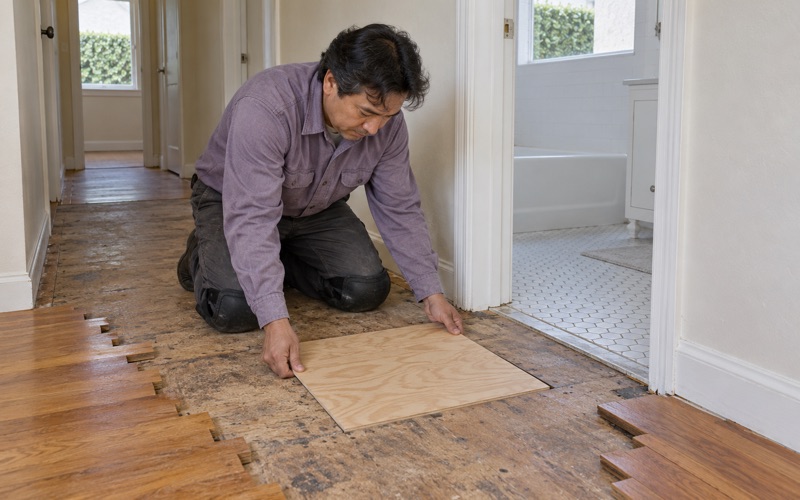
That usually means a repair-or-refinish answer before anyone mentions replacement. A worn traffic lane through a living room can often be sanded out and refinished, a few damaged boards can be woven in, and a dull but sound finish may only need a screen and recoat. We open and check the subfloor before pricing any new finish floor, so a soft spot near a kitchen doorway is found before it turns into a callback.
Just as important is the schedule. Most homes we work in cannot be emptied, so we plan the job in stages, contain the dust, and hand over a written cure schedule that says when each room can be walked on in socks, in shoes, and with furniture back in place.
A Built-Out Community With More People in It
Finished Building by the End of the 1950s
Lennox has had little room to grow outward for a long time. The County’s historic context statement for the South Bay says the community was entirely built out by the end of the 1950s, and the housing counts agree: 56.8 percent of the 5,704 housing units in the latest five-year survey predate 1960. The South Bay Area Plan notes a general lack of new construction after 1970, so most floors we see sit in rooms that have carried decades of use.
The earlier record reads the same way. By 1970, Lennox reportedly had about 14,900 residents living in some 4,000 single-family homes and 2,000 multifamily homes. The 2020 census counted 20,323 residents. The two figures come from different sources and methods, so they are not a precise series, but the direction is plain: roughly the same stock of homes now carries more daily foot traffic.
More Occupants per Room Than Most Places
The census measures crowding as occupants per room, and in Lennox 29.1 percent of occupied units hold more than one person per room. Among renter households the share is 32.7 percent, against 19.2 percent of owners, and 340 occupied units hold more than two people per room. The South Bay Area Plan puts the average household at 3.73 people, compared with 3.30 across unincorporated areas of the County.
For a floor, those numbers translate into more steps per square foot, more chair legs dragged across the same boards, and fewer rooms that sit empty long enough to cure a finish. We read them as a job-planning fact, not a comment on any household. They tell us to expect concentrated wear and to build a schedule that leaves people somewhere to sleep, cook and get to the door.
Looking for wood-flooring closer to Willowbrook? See Willowbrook Wood-Flooring.
Where a Crowded Home Wears Its Floors
Entry Paths, Hallways and Doorways
Wear follows the route between the front door, the kitchen and the bedrooms. In a small house or apartment with more people in it, that route narrows into a single lane, and the finish there goes gray and dull long before the edges of the room do. Grit tracked in from outside acts like sandpaper under shoes, cutting through polyurethane in a band a couple of feet wide.
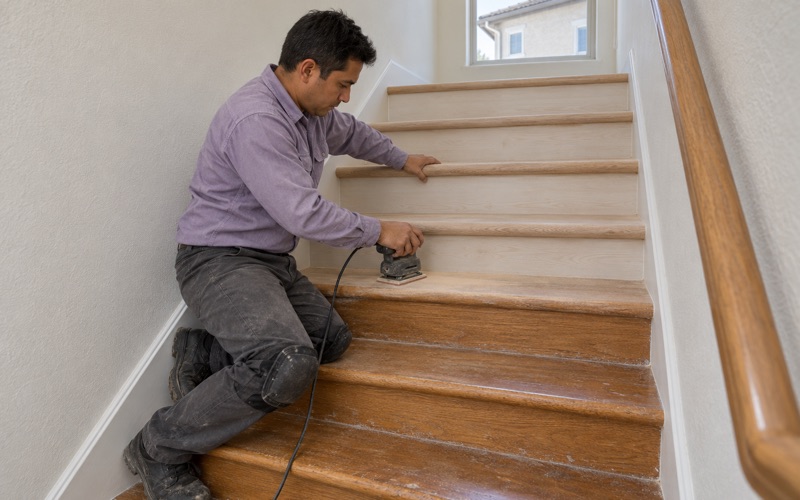
Doorways and thresholds take the sharpest punishment because every trip pivots there. We look for worn stair nosing, loose reducer strips and T-molding at room transitions, and board gaps opening where the traffic lane meets a heating register. Catching a lane while the finish is thin but intact usually keeps the job to a screen and recoat rather than a full sand.
Kitchens and Rooms That Double as Dining Space
Kitchens combine traffic with water. A dishwasher line or a leaking sink trap can swell boards into cupping at the seams, and in a busy kitchen the damage often goes unnoticed until the edges lift. We trace water damage back to its source before replacing anything, and we document it with photos and moisture readings an insurance adjuster can use.
Where the living room also serves as the dining room, chair legs are the main enemy. Dragged chairs leave dents and scratches in a tight arc around the table, and a soft species shows it within months. Felt pads, a rug under the table, and a harder finish system all help, and we talk through them before choosing a sheen level.
Sleeping Rooms That Never Stay Empty
In a home with more than one person per room, bedrooms often hold more than one bed, and a living room may double as sleeping space. That changes the wear pattern: bed frames and rolling storage leave pressure dents, and the strip beside each bed wears where people step down every morning. Those rooms also cannot be taken out of use for long, which shapes any finish work.
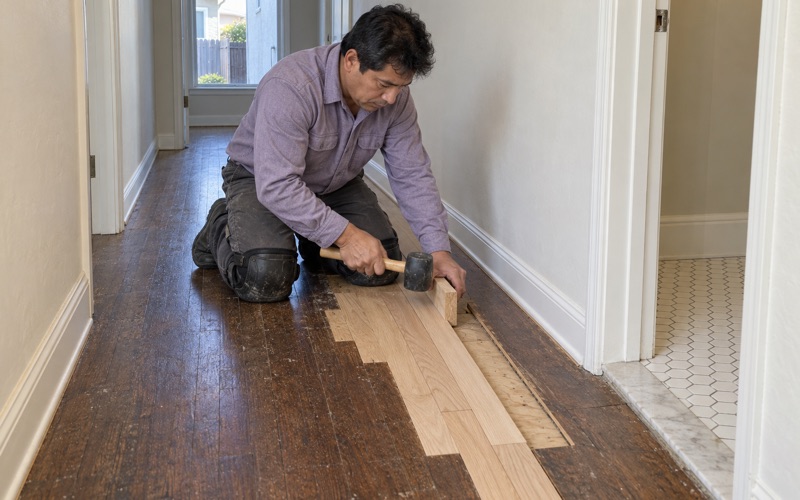
For sleeping rooms we favor waterborne finishes that allow light foot traffic within hours, and we flag any dents deep enough to need board replacement rather than sanding. A weave-in repair, where new boards are staggered into the existing field, can fix a damaged patch beside a bed without disturbing the rest of the floor.
Working Room by Room While Everyone Stays
Staging the Job So the House Keeps Working
We almost never ask a household to move out. Instead we split the floor into stages, usually finishing the sleeping rooms first and the main traffic path last, so there is always a bed, a working kitchen and a clear way to the front door. Furniture shifts into rooms that are either not yet started or fully cured.
Continuous floors complicate this, because a hallway that runs into three rooms cannot be sanded in pieces without visible lap lines. Where the boards run unbroken, we plan the break at a doorway or a threshold, and we tell you in advance which night the hallway will be off limits. The written schedule lists each stage, its start time and when it can take foot traffic.
Dust Control in Rooms People Sleep In
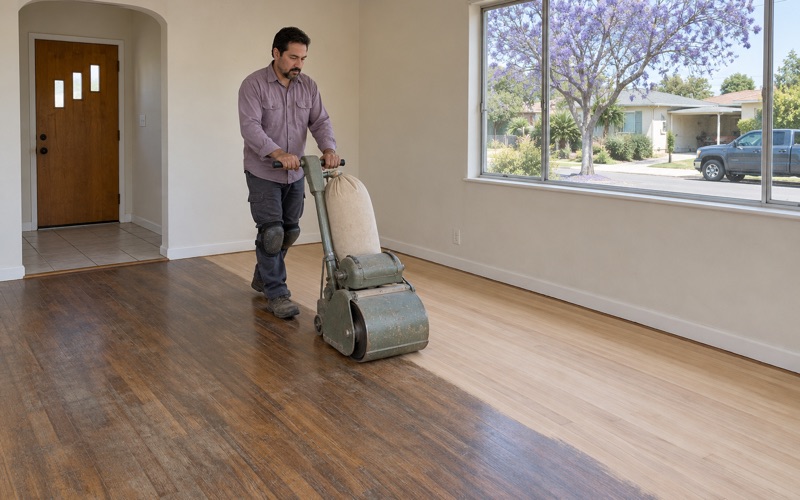
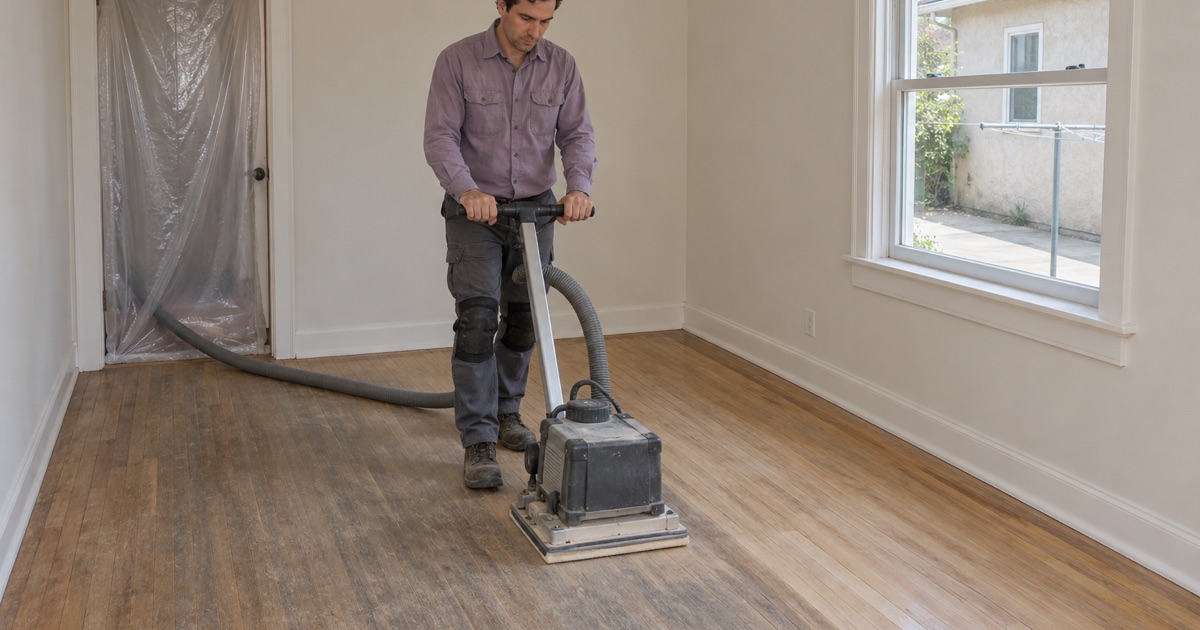
Sanding next to occupied rooms makes dust the first concern. We use a dustless sanding system on the drum sander, edger and orbital sander, seal doorways with plastic, and cover return vents in the work zone. Pre-1978 housing makes this more than a comfort issue, since lead dust from sanding painted trim or old finishes is a real hazard, so we follow EPA Renovation, Repair and Painting rule practices on those homes.
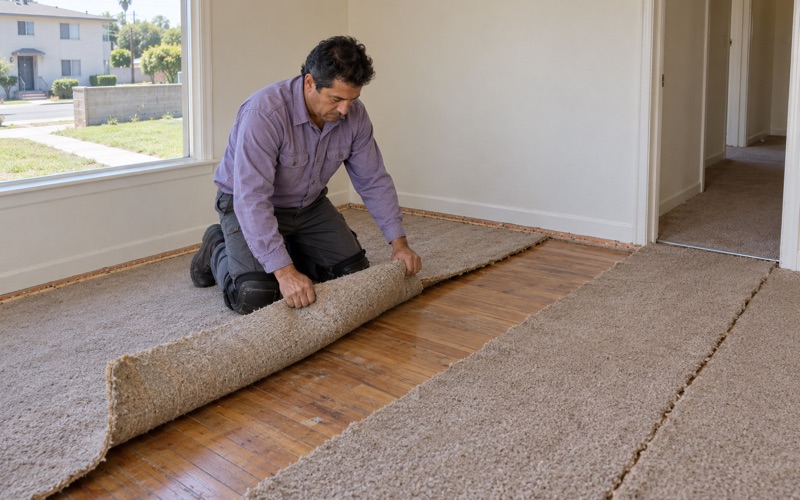
Old flooring layers raise a separate question. Under carpet or vinyl in older homes, 9x9 floor tile set in black mastic sometimes turns up, and both can contain asbestos. We stop and treat that as an asbestos survey question before anything is scraped or sanded, because disturbing it in a lived-in home spreads the problem into the rooms people are using.
Cure Times You Can Plan a Week Around
Every finish needs time before it takes full use. Waterborne polyurethane usually handles careful sock traffic within hours and light furniture after a few days, while full cure takes longer; oil-modified polyurethane is slower at each step. We write the times for your specific product and room into the schedule, so nobody drags a dresser back onto a finish that is still soft.
Rugs are the other common mistake. A rug laid too soon can trap solvent and leave a print in the finish, so the schedule also says when rugs and pads can go back down. In a home where every room is in use, that one date often matters more to the household than the day the sanding ends.
Finishes, Floors and Repairs for Heavy Daily Use
Finish Systems That Stand Up to Traffic
In the South Coast air basin, SCAQMD Rule 1113 caps wood coatings at 275 g/L of VOC, and every finish we apply is chosen from products legal to use here. Within that limit, a two-component waterborne polyurethane gives strong abrasion resistance with low odor, which suits a home where people keep sleeping in the next room. Oil-modified polyurethane is still an option where a warmer tone is wanted.
Sheen matters as much as chemistry in a busy house. A satin or matte sheen level hides the fine scratches that a high-traffic lane collects, while gloss shows every one. For floors that will keep taking heavy use, we suggest a screen and recoat every few years, which renews the wear surface without sanding into the wood.
Choosing Wood for Hard Use
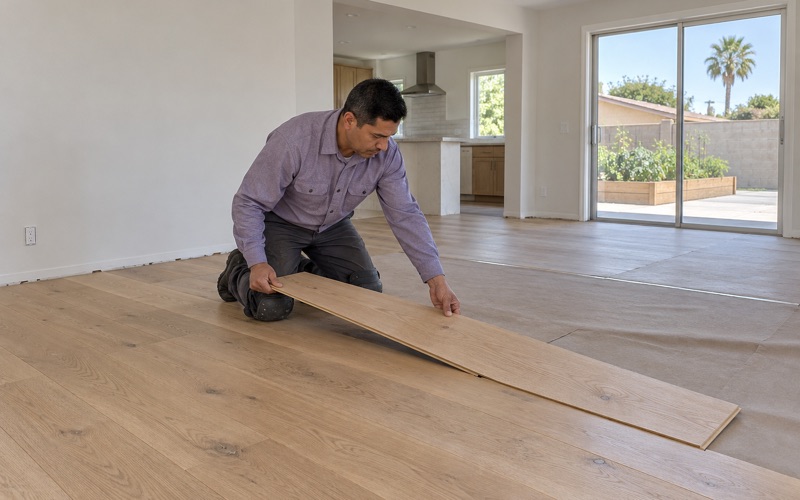
When boards need replacing or a room is getting new flooring, species choice is the first line of defense. The Janka hardness rating gives a rough guide: white oak and red oak hold up well in most homes, hickory and maple resist denting better, and walnut is handsome but soft for a busy hallway. We match replacement boards to whatever species is already down.
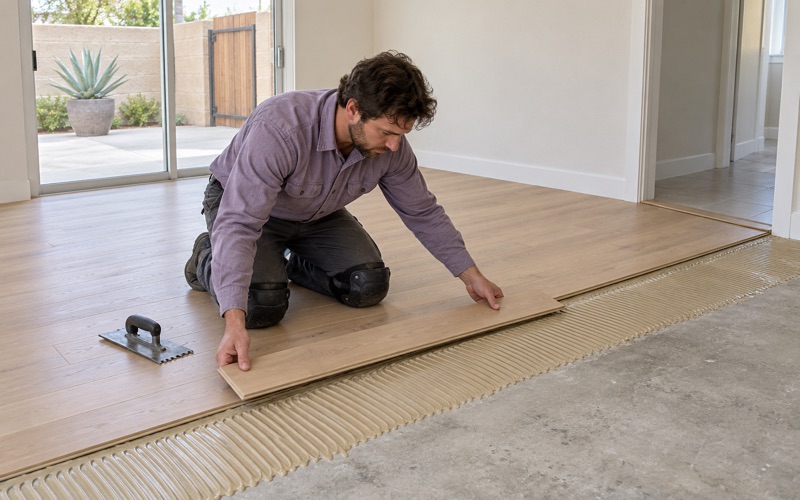
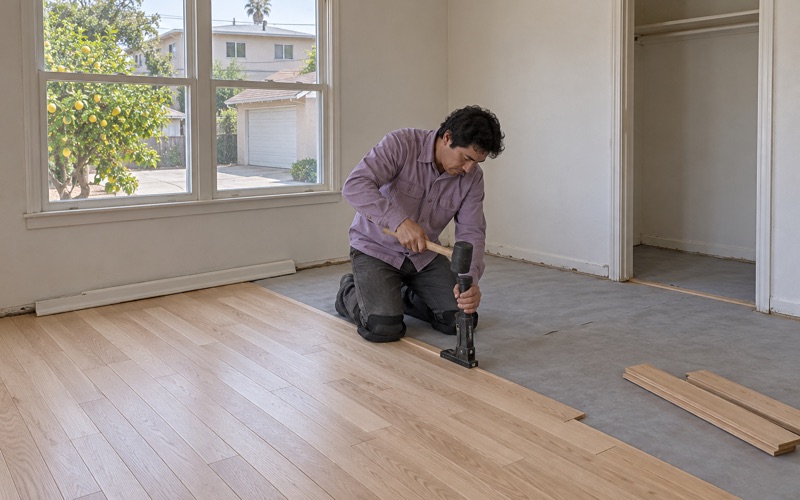
For engineered flooring, wear layer thickness decides how many times the floor can be sanded later, which matters in a home that will need refinishing again. Before any new floor goes down, we measure moisture content in the wood and, over concrete, test the slab, then let the material acclimate per NWFA installation guidelines. The readings are written down and handed to you.
Small Repairs in Small Units
Many Lennox floor jobs are small. With 73.1 percent of households renting, many of them in duplexes, small apartment buildings and attached homes, a floor job often covers one unit’s rooms rather than a whole house. In those spaces a full refinish is not always the right call, and a targeted repair can buy years.
Squeaks and nail pops can often be fixed by face nailing into a floor joist, and a single cupped or stained board can be cut out and replaced. Where a soft spot shows water-swollen decking underneath, we repair the subfloor first. We give a written estimate before work starts and an itemized invoice after, with repairs and refinishing priced separately.
- 20+ Years in Business
- Written Moisture Readings
- Lead-Safe Work Practices